 FREE DELIVERY ON ORDERS $100+ | PLEASE NOTE: PAYMENT EMAIL UPDATED |





Cannabis Education
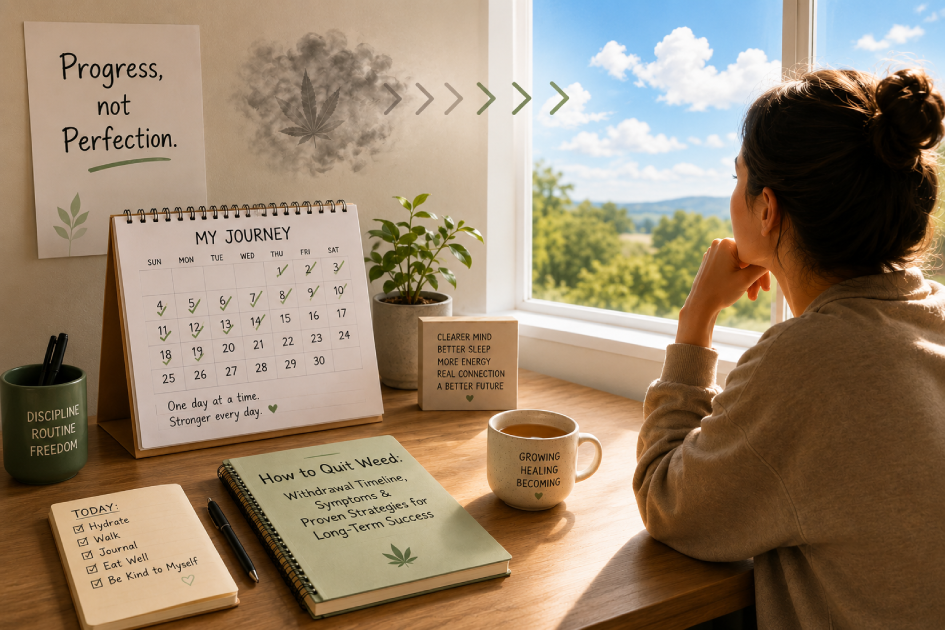
How to Quit Weed: Withdrawal Timeline, Symptoms & Proven Strategies for Long-Term Success
Jun
Cannabis is one of the most commonly used substances in Canada, and while many people use it recreationally without major issues, others eventually decide it’s time to cut back or quit completely. Whether you’re stopping because of anxiety, reduced motivation, poor sleep, financial concerns, or mental clarity, learning how to quit weed successfully can improve both your physical and mental well-being.
For some people, cannabis becomes more than an occasional habit. Smoking weed daily can begin affecting productivity, relationships, memory, mood, and overall quality of life. Even though cannabis is legal in Canada, that doesn’t mean it’s harmless for everyone.
The good news is that quitting weed is completely achievable with the right strategy, realistic expectations, and healthy support systems. While cannabis withdrawal symptoms can feel uncomfortable during the first few weeks, most people notice significant improvements in energy, focus, motivation, and emotional stability over time.
In this complete guide, you’ll learn:
- How to quit smoking weed successfully
- What causes weed cravings
- Common cannabis withdrawal symptoms
- The weed withdrawal timeline
- How long does THC stay in your system
- Whether weed addiction is real
- How to manage relapse and cravings
- The benefits of quitting cannabis long-term
If you’re ready to regain control over your habits and improve your health, this guide will help you take the next step.
Why People Decide to Quit Smoking Weed
People stop using cannabis for many different reasons. Some individuals notice subtle negative effects over time, while others experience more serious impacts on mental health, motivation, or daily functioning.
Common reasons people choose to quit weed include:
- Difficulty concentrating
- Increased anxiety or paranoia
- Poor memory and mental fog
- Reduced motivation
- Financial strain from daily cannabis use
- Trouble sleeping naturally
- Dependence on weed to relax
- Relationship or work-related problems
- Concerns about lung health
- Wanting greater emotional stability
Many people realize they’ve developed routines around cannabis that feel difficult to break. For example, some individuals may smoke before meals, after work, before bed, or during stressful situations. Over time, these patterns can become psychologically reinforcing.
Quitting weed often begins with recognizing that cannabis is no longer improving your life the way it once did.
Is Weed Addictive?
One of the biggest myths surrounding cannabis is that it cannot be addictive. While cannabis may not produce the same severe physical dependence associated with opioids or alcohol, weed addiction is absolutely real for some users.
Medical professionals recognize Cannabis Use Disorder (CUD) as a legitimate condition that ranges from mild to severe.
Signs of problematic cannabis use may include:
- Needing more weed to feel the same effects
- Using cannabis more frequently than intended
- Struggling to quit despite wanting to stop
- Spending excessive money on cannabis
- Using weed to escape emotions or stress
- Continuing use despite negative consequences
- Experiencing cravings or withdrawal symptoms
Not everyone who uses cannabis becomes dependent, but frequent high-THC use increases the risk of developing unhealthy patterns.
Understanding Cannabis Withdrawal Symptoms
One of the biggest concerns people have when learning how to quit weed is withdrawal.
Cannabis withdrawal symptoms are generally not dangerous, but they can still feel intense — especially for heavy daily users.
When you stop consuming THC, your brain needs time to rebalance dopamine production and cannabinoid receptor activity. During this adjustment period, withdrawal symptoms may occur.
Common Weed Withdrawal Symptoms
Symptoms can include:
- Irritability
- Anxiety
- Mood swings
- Insomnia
- Reduced appetite
- Night sweats
- Headaches
- Restlessness
- Fatigue
- Depression-like symptoms
- Vivid dreams
- Intense weed cravings
The severity of symptoms depends on several factors, including:
- Frequency of cannabis use
- THC potency
- Duration of use
- Personal body chemistry
- Mental health history
- Sleep quality
- Lifestyle habits
Heavy concentrate or edible users often experience stronger withdrawal symptoms because high-THC products can increase tolerance significantly.
Weed Withdrawal Timeline: What to Expect
Understanding the weed withdrawal timeline can make quitting feel much more manageable. Knowing that symptoms are temporary often helps people push through the difficult early stages.
First 24–72 Hours
This is often the most challenging phase.
You may experience:
- Strong cravings
- Irritability
- Anxiety
- Difficulty sleeping
- Reduced appetite
- Restlessness
Many people feel emotionally sensitive during this stage because their brains are adjusting to functioning without THC.
Days 4–7
Withdrawal symptoms often peak during the first week.
Common experiences include:
- Mood swings
- Insomnia
- Night sweats
- Vivid dreams
- Mental fog
- Frustration
- Low motivation
Sleep disruption is especially common during this phase.
Week 2
For most people, symptoms begin improving significantly by the second week.
You may notice:
- Improved appetite
- Better mood stability
- Reduced cravings
- Increased energy
- More mental clarity
However, occasional psychological cravings can still occur.
Weeks 3–4
Most physical symptoms fade substantially after several weeks.
Many people report:
- Better emotional balance
- Improved concentration
- More stable sleep
- Increased productivity
- Higher motivation
At this stage, routines and habits become more important than physical withdrawal itself.
Beyond One Month
Long-term improvements often continue for several months after quitting cannabis.
Benefits may include:
- Clearer thinking
- Better memory
- Improved lung health
- Increased confidence
- Better emotional regulation
- Stronger daily discipline
While occasional cravings may still happen, they typically become less frequent and easier to manage.
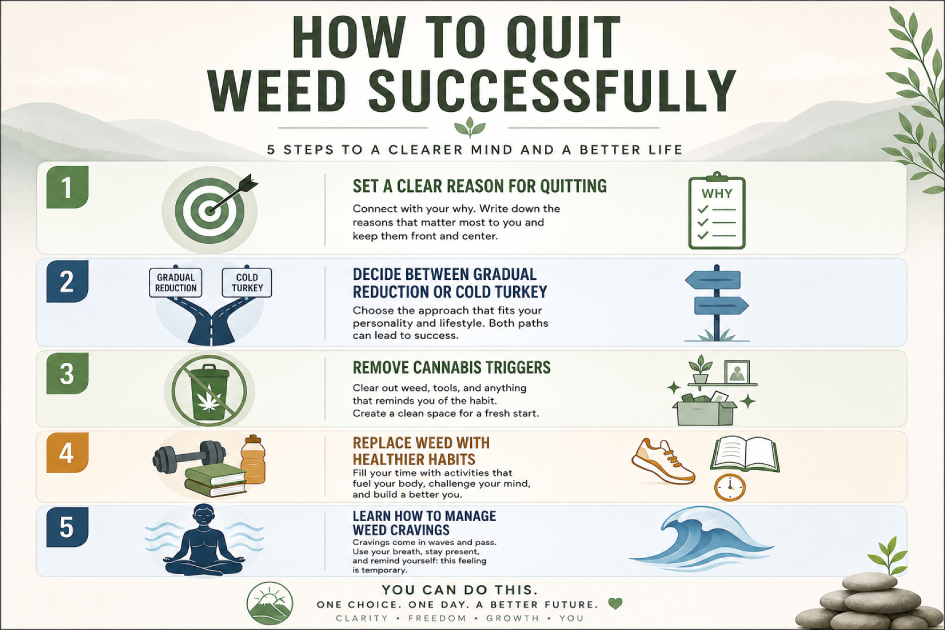
How to Quit Weed Successfully
There’s no single perfect method for quitting cannabis. Different people succeed using different approaches.
The key is choosing a strategy you can realistically maintain.
1. Set a Clear Reason for Quitting
Before quitting, identify your personal motivation.
Your reason might include:
- Improving mental health
- Saving money
- Increasing productivity
- Reducing anxiety
- Improving relationships
- Passing a drug test
- Breaking dependence
- Improving physical fitness
Write your reasons down somewhere visible.
When cravings hit, reminding yourself why you’re quitting can strengthen your resolve.
2. Decide Between Gradual Reduction or Cold Turkey
Gradual Reduction
Some people prefer slowly reducing cannabis use over time.
This may involve:
- Smoking fewer times per day
- Using smaller amounts
- Avoiding wake-and-bake sessions
- Switching to lower-THC products
- Taking cannabis-free days
Gradual reduction may reduce the intensity of withdrawal symptoms.
Quitting Cold Turkey
Others prefer stopping immediately.
While symptoms may initially feel stronger, some people find complete abstinence easier than controlled moderation.
There’s no universally correct method. The best approach is the one you’re most likely to follow consistently.
3. Remove Cannabis Triggers
Environmental triggers can make quitting much harder.
Consider removing:
- Bongs
- Pipes
- Rolling papers
- Grinders
- Vape pens
- Leftover cannabis products
You should also identify behavioural triggers, such as:
- Smoking after work
- Smoking during boredom
- Smoking while gaming
- Smoking before bed
- Social groups centred around weed
Changing routines is one of the most important parts of long-term success.
4. Replace Weed With Healthier Habits
Many people discover they weren’t smoking because they truly needed cannabis — they were smoking out of habit.
Replacing old habits with healthier alternatives can dramatically improve your success rate.
Helpful replacements include:
- Exercise
- Walking
- Weight training
- Meditation
- Reading
- Journalling
- Cooking
- Video games
- Sports
- Spending time outdoors
- Socializing with supportive friends
Exercise is especially beneficial because it naturally boosts dopamine and reduces stress during withdrawal.
5. Learn How to Manage Weed Cravings
Cravings are completely normal during the quitting process.
Fortunately, cravings usually come in waves and fade within 15–30 minutes.
Helpful Craving Management Strategies
Delay the Urge
Tell yourself:
“I’ll wait 20 minutes first.”
Cravings often weaken significantly with time.
Distract Yourself
Physical movement helps enormously.
Try:
- Going for a walk
- Doing pushups
- Cleaning
- Playing a game
- Calling a friend
Avoid High-Risk Situations
Early in recovery, avoid situations strongly associated with smoking.
Examples include:
- Parties centred around weed
- Smoking circles
- Bored late-night routines
Stay Busy
Boredom is one of the biggest relapse triggers.
Creating structure throughout your day can reduce impulsive cravings significantly.
How Long Does THC Stay in Your System?
Many people quitting cannabis also want to know how long THC remains detectable in the body.
THC detection times vary depending on:
- Frequency of use
- Metabolism
- Body fat percentage
- THC potency
- Method of testing
Approximate THC Detection Windows
| Test Type | Detection Window |
| Urine Test | Several days to 30+ days |
| Blood Test | Up to several days |
| Saliva Test | Up to 72 hours |
| Hair Test | Up to 90 days |
Heavy daily users may test positive much longer than occasional users.
Weed Detox: Do Detox Products Actually Work?
Many products claim to provide a “rapid weed detox,” but most lack strong scientific evidence.
Despite aggressive marketing, there’s no proven shortcut that instantly removes THC from your body.
The most effective way to complete a cannabis detox is:
- Time
- Hydration
- Sleep
- Exercise
- Healthy nutrition
Your body naturally processes THC over time.
Sleep Problems After Quitting Weed
Insomnia is one of the most common withdrawal symptoms.
Many people initially used cannabis to relax or help them sleep, so the body often needs time to relearn natural sleep regulation.
Tips for Better Sleep During Withdrawal
Maintain a Consistent Schedule
Go to bed and wake up at the same time daily.
Avoid Screens Before Bed
Blue light can worsen insomnia.
Limit Caffeine
Especially in the afternoon and evening.
Exercise During the Day
Physical activity helps regulate sleep naturally.
Try Relaxation Techniques
Meditation, stretching, and breathing exercises may help calm the nervous system.
For most people, sleep improves substantially within several weeks.
Mental Health and Quitting Cannabis
Cannabis affects mental health differently depending on the person.
Some individuals feel calmer while using weed, while others experience:
- Increased anxiety
- Emotional numbness
- Panic attacks
- Paranoia
- Reduced emotional resilience
After quitting cannabis, temporary emotional instability is common while the brain adjusts.
You may experience:
- Irritability
- Anxiety
- Sadness
- Emotional sensitivity
- Low motivation
These feelings are usually temporary.
However, if symptoms become severe or persistent, professional mental health support may be beneficial.
Benefits of Quitting Weed
Although the first few weeks can feel difficult, many people notice major improvements after quitting cannabis.
Potential Benefits Include:
Improved Focus and Memory
Mental clarity often improves significantly after several weeks.
Better Lung Health
Reducing smoke inhalation benefits respiratory health.
Increased Motivation
Many former users report improved productivity and discipline.
Financial Savings
Daily cannabis use can become expensive over time.
Better Emotional Stability
Some people feel less anxious and emotionally dependent after quitting.
Improved Relationships
Quitting can improve communication, presence, and reliability.
More Natural Sleep Patterns
Sleep may temporarily worsen before eventually improving long-term.
What Happens if You Relapse?
Relapse is extremely common and does not mean failure.
Recovery is rarely perfectly linear.
If you smoke again after quitting:
- Avoid self-judgment
- Identify what triggered the relapse
- Learn from the experience
- Continue moving forward
Many successful recoveries involve setbacks before long-term change occurs.
The important thing is consistency over time.
Should You Quit Completely or Just Cut Back?
Not everyone needs to quit cannabis entirely.
Some adults successfully transition to moderate or occasional use.
Ask yourself:
- Is weed negatively affecting my life?
- Can I control my usage?
- Have I repeatedly failed to cut back?
- Am I using weed to avoid emotions?
- Do I feel dependent on cannabis?
Your answers can help determine whether moderation or abstinence is the healthier path for you.
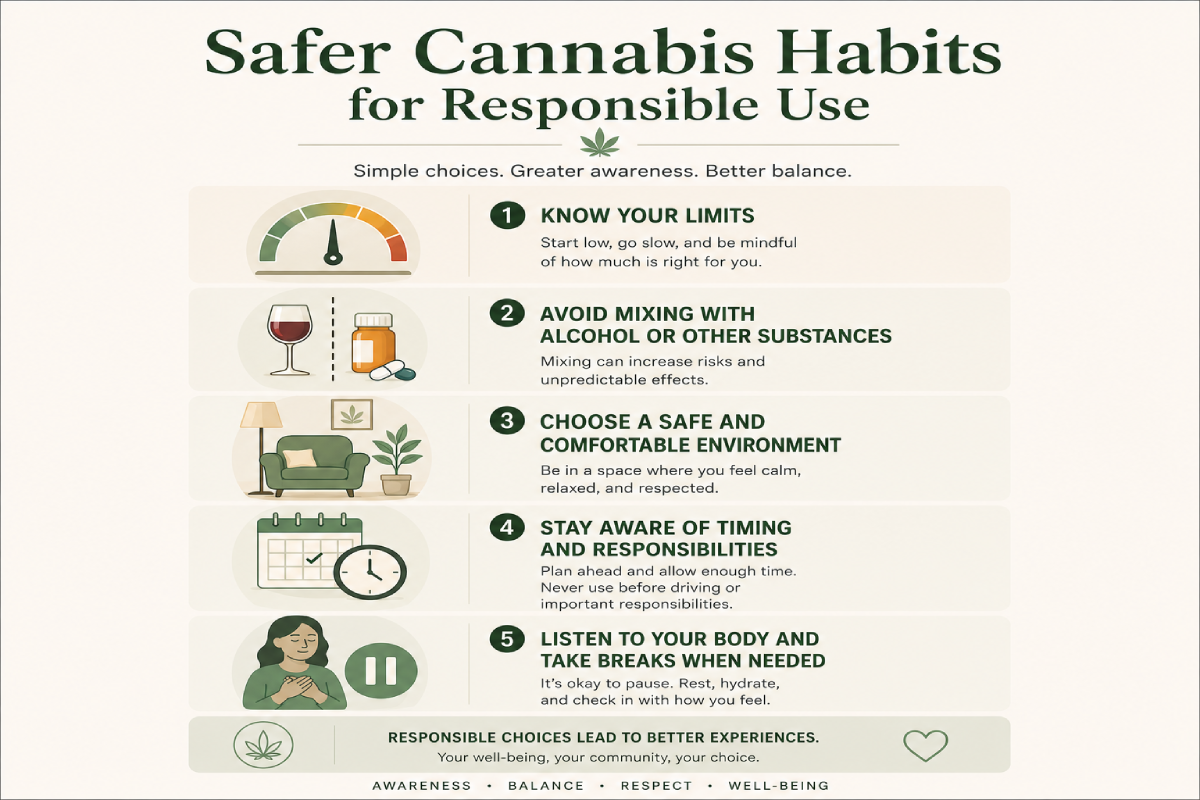
Safer Cannabis Habits for Responsible Use
For adults who choose to continue using cannabis responsibly, safer habits may include:
- Choosing lower-THC products
- Taking regular tolerance breaks
- Avoiding daily heavy use
- Avoiding driving while impaired
- Purchasing from licensed Canadian providers
- Using cannabis intentionally rather than habitually
Responsible use begins with awareness and moderation.
Premium Cannabis Delivery in Vancouver
At Weed Delivery Vancouver, we believe cannabis consumers should have access to safe, reliable, and high-quality cannabis products while making informed decisions about responsible use.
Whether you’re:
- reducing cannabis intake,
- taking a tolerance break,
- switching to lower-THC products,
- or simply seeking premium cannabis products from trusted local providers,
Our team is committed to supporting Vancouver consumers with reliable service and carefully selected products.
Weed Delivery Vancouver offers:
- Same-day local delivery
- Competitive pricing
- Reliable customer service
Responsible cannabis use starts with quality, education, and informed choices.
Frequently Asked Questions About Quitting Weed
Can you quit weed cold turkey?
Yes. Many people quit cannabis abruptly. While withdrawal symptoms may temporarily feel stronger, quitting cold turkey is safe for most healthy adults.
How long do weed withdrawal symptoms last?
Symptoms often peak within the first week and gradually improve over 2–4 weeks.
Is weed addictive?
Yes. Cannabis Use Disorder is recognized by medical professionals and can range from mild to severe.
Can you overdose on weed?
Fatal cannabis overdoses are extremely rare, but consuming too much THC can still cause severe anxiety, paranoia, dizziness, nausea, and dangerous impairment.
What helps with weed cravings?
Exercise, hydration, structured routines, therapy, sleep improvement, and avoiding triggers can all help reduce cravings.
Does quitting weed improve mental clarity?
Many people report better focus, improved memory, and increased motivation after several weeks without cannabis.
Final Thoughts on How to Quit Weed Successfully
Learning how to quit weed can feel overwhelming at first, especially if cannabis has been part of your routine for years. However, millions of people successfully reduce or stop cannabis use every year, and long-term improvement is absolutely possible.
The most important thing is consistency.
Understand that:
- Withdrawal symptoms are temporary,
- cravings fade over time,
- Relapse does not erase progress,
- Healthy routines can completely transform your recovery process.
Whether your goal is moderation or complete sobriety, every positive step matters.
Focus on long-term progress rather than perfection, and remember that building a healthier relationship with cannabis often leads to better mental clarity, stronger motivation, improved emotional balance, and greater overall well-being.
For more cannabis education, product insights, and delivery services, visit Weed Delivery Vancouver at WeedDeliveryVancouver.io.
References:
Editorial Staff & Kimberly Cunningham. (2026). Marijuana Withdrawal Symptoms, Timeline, and Treatment. Available at: https://oxfordtreatment.com/substance-abuse/marijuana/withdrawal/
Dr. Autumn Rae Florimbio, Ryan Kelley, NREMT & Wendy Manwarren Generes. (2025). Is Marijuana Addictive? Available at: https://americanaddictioncenters.org/marijuana-rehab/is-it-addictive
Cleveland Clinic. (2024). Marijuana (Weed) Withdrawal: Symptoms & Treatment. Available at: https://my.clevelandclinic.org/health/diseases/marijuana-weed-withdrawal